
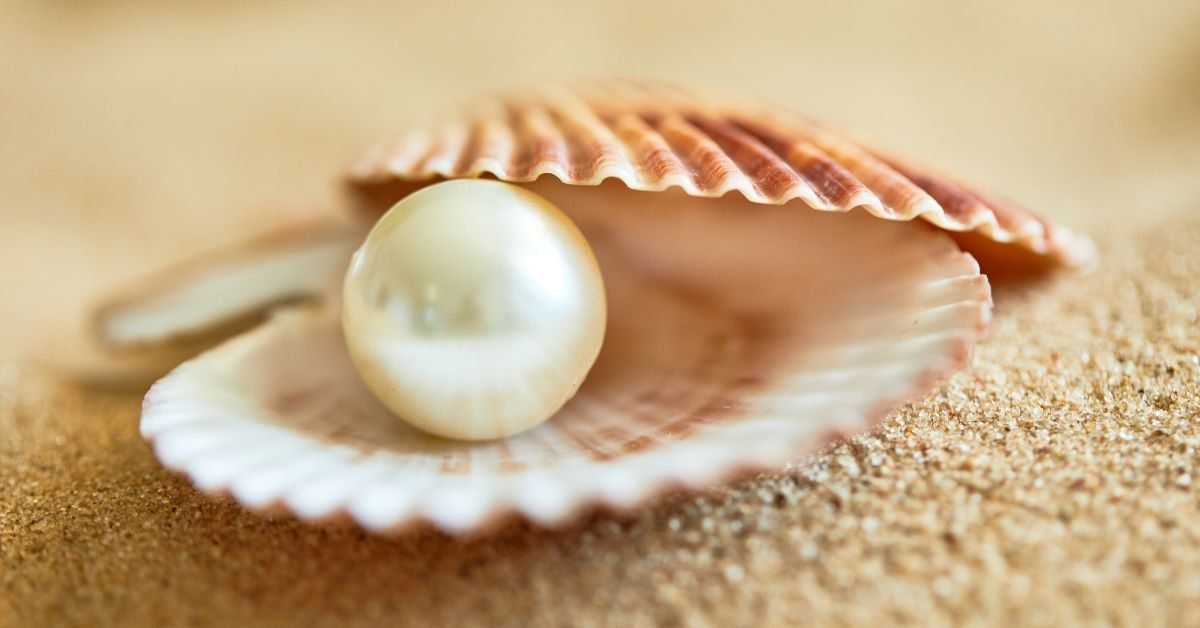

Types of pearls
Pearls are categorized by their origin, with the two primary types being natural and cultured.
Natural pearls
- These are extremely rare and form randomly in the wild without human intervention.
- They are highly valuable, with some of the most famous coming from the Persian Gulf, including the prized Basra pearl.
Cultured pearls
- The vast majority of pearls sold today are cultured, meaning humans initiated the pearl’s growth by inserting a nucleus or tissue into the mollusk.
- They are categorized by their host mollusk and water environment:
- Akoya: Classic, round saltwater pearls cultivated primarily in Japan and China. They are known for their sharp luster and pristine white color.
- South Sea: Large, valuable saltwater pearls from Australia, Indonesia, and the Philippines, famous for their gold, silver, and white colors.
- Tahitian: Saltwater pearls, often called “black pearls,” cultivated in French Polynesia. They come in a variety of dark shades, including black, grey, and green.
- Freshwater: Grown in freshwater mussels, mainly in China. These are the most common and come in a wide array of shapes and colors.
Factors that influence value
A pearl’s value is determined by several factors, including:
- Luster: The amount of light reflected from the pearl’s surface.
- Size: Measured in millimeters, larger pearls are generally more valuable.
- Shape: Perfectly round pearls are the rarest and most sought-after, but other popular shapes include button, drop, and baroque (irregular).
- Color: The most familiar colors are white and cream, but pearls come in every hue, from pastel pinks to deep black.
- Surface Quality: Evaluated by the number and severity of blemishes.
Symbolism and meaning
Pearls have held significant cultural and symbolic meaning throughout history.
- Purity and Wisdom: Their formation around an irritant is often seen as a metaphor for transforming adversity into beauty.
- Wealth and Status: In ancient Rome, pearls were the ultimate status symbol, restricted by law to the ruling class.
- Weddings: The association of pearls with purity and innocence makes them a popular choice for brides.
- June Birthstone: As the birthstone for June, pearls are said to bring love and good luck to those born in that month.


Reviews
There are no reviews yet.